


Dentist For Root Canals
Philadelphia Root Canal Treatments Dentist
When people think of a root canal, they often shudder at imagined pain and discomfort. In reality, modern root canal treatment is no more uncomfortable than getting a routine filling, and it's one of the most effective ways to relieve tooth pain and save a natural tooth.
At the same time, this misconception has sometimes caused delays in getting patients to the dentist’s office.
The truth is that the pain associated with Root Canals often comes from the infected dental pulp, not the dental procedure. This painful infection only worsens over time and requires endodontic care as soon as possible.
Through years of advancement in this specific field of dentistry, endodontic treatment has increased in speed, become less painful, and become more successful in resolving the damaged tooth.
Root Canals help to relieve the tooth pain caused by infected soft tissue within the tooth. They also enable you to keep your natural teeth and prevent further damage to your oral health.
A “root canal,” or pulpectomy, is a treatment for infections of the soft inner tissue of a tooth. Root Canal infections can spread into the outer areas of the tooth, causing discoloration.
These infections will affect the jaw’s health and other tissues surrounding the tooth if left untreated.
Are you experiencing discomfort while eating or drinking? Do your gums appear red or swollen? These are all signs that could indicate that you have abscessed or infected teeth.
Experienced in root canal therapy, Dr. Renee Yurovsky, and her skilled team of dental professionals want you to know that you are seen as an individual.
From the moment you step into our waiting room, we prioritize your unique needs and comfort. Each patient is important, and their care is handled with individualized attention.
Our dental office works hard to ensure that our dental care is as comfortable, pain-free, and effective as possible. We are happy to accommodate your unique needs during your visit.
The Truth About Root Canal Therapy
Root Canals are the thin passages that run from the soft inner tissue of your tooth (dental pulp) to the tip of the root of your tooth.
These canals may become infected in various ways, but most commonly, are a consequence of untreated cavities. Since the canals contain nerve fibers, infections of this kind are often accompanied by varying amounts of pain.
Preserving the natural tooth during root canal procedures is crucial. Root canal procedures preserve your Oral Health and improve the appearance of teeth that have been darkened by infection.
They also serve as a way to prevent expensive restorations for a tooth lost to decay and infection.
Aren’t Root Canals Painful?
Many people are concerned about the potential pain of a root canal treatment. You may be surprised to learn that this modern-day therapy is generally pain-free and no more uncomfortable than having a filling placed.
Procedure
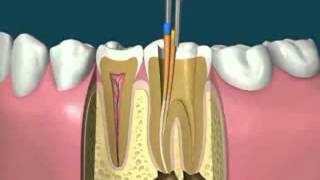
After sufficiently numbing the area, our Philadelphia, PA dentist, Dr. Yurovsky, creates an opening on the tooth’s surface. Following this, she will remove any decayed tissue and/or bacteria.
An instrument called a root canal file is then used to remove the nerve fibers and clean out infected tissue from within the thin canals. We use magnifying equipment to assist in the treatment.
Afterward, the tooth is thoroughly cleaned and filled with a temporary filling material, accompanied by medications to soothe the area around the previously infected tooth.
A final filling, like those used to fix cavities, is applied to the tooth’s surface. In many cases, a crown is placed instead of a filling to provide relief and more structural support for the tooth.
The diagnostic exam and root canal procedure can most often be completed in two office visits. However, the duration of a root canal treatment depends on the complexity of the individual case.
Post-Operative Instructions for Root Canals

Root Canal Treatment
Since root canal therapy usually takes a minimum of two appointments to complete, Dr. Yurovsky will place a temporary filling or crown over the site to protect your tooth between your first and second treatments.
It's important to keep your second appointment as scheduled, since a temporary restoration isn't designed to last long-term.
Sometimes small portions of your temporary filling wear away or break off between appointments, which is not troublesome. However, if the entire filling falls out or a temporary crown comes off, call the office to schedule an appointment to replace it.
Make sure to avoid chewing for several hours if anesthesia has been used to numb your lips, gums, and tongue. If you attempt to chew normally, an injury may result in the hours after the procedure while the anesthetic is still wearing off.
Soreness is normal for several days after your root canal, particularly when you chew and eat.
Over-the-counter pain relievers, such as Advil or Tylenol, can help ease your discomfort.
Rinsing with warm salt water three times daily will also help lessen pain and swelling. Dissolve one teaspoon of salt in a cup of warm water. Use the solution to rinse your mouth, swishing thoroughly before spitting, and continue until the entire cup has been used.
Please take your antibiotics as prescribed for the duration indicated, even if no signs or symptoms of infection exist.
Here are a few tips to protect your tooth and keep your temporary filling or crown in place:
- Avoid sticky foods, particularly gum.
- Avoid chewing on hard foods and substances, such as ice, fingernails, and pens.
- If possible, try to chew on the untreated side of your mouth.
- Brush and floss as usual.
In most cases, the final step of Root Canal treatment is the crown’s placement; this will protect your tooth from breaking (please see Crowns for more information).
The root canal cost can vary, and individual evaluations are important to determine accurate pricing. Insurance coverage may also affect the overall cost of the procedure.
Root Canal Dentist Philadelphia
If your bite feels uneven, your pain lasts more than a few days, or you have any other questions regarding our Philadelphia Root Canal Treatment, give us a call today.
A severe toothache can be a sign of an infected tooth, and prompt treatment helps prevent the infection from spreading. If you're experiencing tooth pain, call our Philadelphia Root Canal Dentist at 215-545-1202 to schedule an appointment.
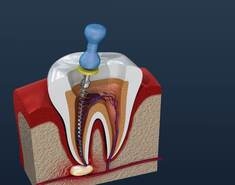
 Visit our Dentist In Philadelphia Blog
 New Patients Information
 Request an Appointment at our Philadelphia Office
 Get Directions to Our Dental Office
 Learn About Invisalign Treatment
 Learn About Botox Treatments
 Follow Dr. Renee Yurovsky on Twitter
| Monday: 8:00 AM to 4:00 PM |
| Tuesday: 8:00 AM to 4:00 PM |
| Wednesday: 8:00 AM to 4:00 PM |
| Thursday: 8:00 AM to 4:00 PM |
| Friday: Closed |
| Saturday: Closed |
| Sunday: Closed |